
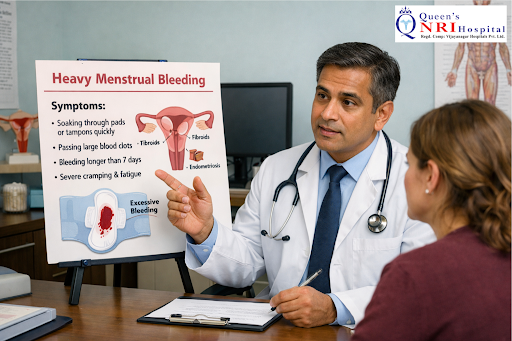
Heavy menstrual bleeding is a common problem faced by many women, yet it is often ignored or considered “normal.” Some women believe that heavy periods are just a part of life, while others feel embarrassed to talk about menstrual problems. The truth is that heavy menstrual bleeding is a medical condition, and in many cases, it can be treated successfully when diagnosed early.
If your periods are affecting your daily routine, work, sleep, or emotional well-being, it is time to seek help from a specialist. Visiting a top Gynaecology hospital in vizianagaram can help you understand the root cause and choose the right treatment for long-term relief.
This blog explains heavy menstrual bleeding in simple terms its causes, symptoms, diagnosis, and treatment options so you can make informed decisions about your health.
What Is Heavy Menstrual Bleeding?
Heavy menstrual bleeding, also known as menorrhagia, means losing more blood than normal during periods or bleeding for longer than usual.
You may have heavy menstrual bleeding if:
- Your period lasts more than 7 days
- You need to change pads or tampons every 1–2 hours
- You pass large blood clots
- You feel tired, weak, or dizzy during periods
- Bleeding interferes with daily activities
Many women think this is normal, especially if it has been happening for years. But heavy periods are not something you should live with silently. Doctors at a top Gynaecology hospital in vizianagaram often see women who waited too long before seeking care, making treatment more difficult.
Why Should Heavy Menstrual Bleeding Not Be Ignored?
Ignoring heavy periods can lead to:
- Anemia (low hemoglobin)
- Extreme tiredness and weakness
- Shortness of breath
- Poor concentration
- Emotional stress and anxiety
In severe cases, untreated heavy bleeding may point to serious underlying conditions. Early diagnosis at a top Gynaecology hospital in vizianagaram helps prevent complications and improves quality of life.
Common Causes of Heavy Menstrual Bleeding
Heavy menstrual bleeding can occur at any age from teenage years to menopause. The causes vary depending on age, health condition, and hormonal balance.
Hormonal Imbalance
Hormones control the menstrual cycle. When estrogen and progesterone are not balanced, the uterus lining becomes too thick and sheds heavily.
Hormonal imbalance is common in:
- Teenagers
- Women with irregular cycles
- Women nearing menopause
Doctors at a top Gynaecology hospital in vizianagaram often identify hormonal issues early with proper evaluation.
Fibroids
Fibroids are non-cancerous growths in the uterus. They are one of the most common causes of heavy bleeding in women aged 30–45.
Symptoms include:
- Heavy periods
- Pelvic pain
- Pressure in the lower abdomen
Treatment depends on the size and location of fibroids, which can be accurately assessed at a top Gynaecology hospital in vizianagaram.
Polyps
Uterine polyps are small growths in the uterus lining. Though usually harmless, they can cause:
- Heavy or prolonged periods
- Bleeding between periods
Early detection at a top Gynaecology hospital in vizianagaram allows simple treatment with minimal procedures.
Adenomyosis
This condition occurs when the uterus lining grows into the muscle wall of the uterus.
Symptoms include:
- Very heavy bleeding
- Severe menstrual cramps
- Enlarged uterus
Women with adenomyosis often experience worsening symptoms over time and benefit from expert care at a top Gynaecology hospital in vizianagaram.
Polycystic Ovary Syndrome (PCOS)
PCOS causes irregular ovulation, leading to irregular or heavy bleeding.
Common signs:
- Irregular periods
- Weight gain
- Acne or excess hair growth
PCOS requires long-term management, which is best handled at a top Gynaecology hospital in vizianagaram.
Thyroid Problems
Both underactive and overactive thyroid conditions can disturb menstrual cycles and cause heavy bleeding.
Bleeding Disorders
Some women have conditions that affect blood clotting, leading to heavy menstrual flow.
Copper IUCD
Copper intrauterine devices can increase bleeding and cramps, especially in the first few months.
9. Pregnancy-Related Causes
Miscarriage or ectopic pregnancy can cause heavy and unexpected bleeding and should be treated as an emergency at a top Gynaecology hospital in vizianagaram.
When Should You See a Doctor?
You should consult a gynecologist if:
- Bleeding lasts more than 7 days
- You pass large clots regularly
- You feel weak or dizzy
- Period pain is severe
- Bleeding affects daily life
Early consultation at a top Gynaecology hospital in vizianagaram ensures proper diagnosis and timely treatment.
How Is Heavy Menstrual Bleeding Diagnosed?
Doctors use a combination of medical history, physical examination, and tests.
Common Tests Include:
- Blood tests (to check hemoglobin and hormones)
- Ultrasound scan
- Thyroid tests
- Endometrial biopsy (if needed)
At a top Gynaecology hospital in vizianagaram, advanced diagnostic tools help find the exact cause instead of just treating symptoms.
Treatment Options for Heavy Menstrual Bleeding
Treatment depends on the cause, age, severity, and future pregnancy plans.
Medications
For many women, medicines work well.
Common options:
- Hormonal tablets
- Progesterone therapy
- Pain relievers
- Medicines to reduce bleeding
Iron Supplements
If anemia is present, iron tablets help improve energy and strength.
Hormonal Devices
Hormonal intrauterine systems can significantly reduce bleeding over time.
Minimally Invasive Procedures
When medicines do not work, simple procedures may help:
- Removal of polyps
- Treatment of fibroids
- Endometrial procedures
These are safely performed at a top Gynaecology hospital in vizianagaram with minimal hospital stay.
Surgery
In severe cases, surgery may be advised:
- Myomectomy (fibroid removal)
- Hysterectomy (uterus removal, only when necessary)
Doctors always discuss all options before recommending surgery at a top Gynaecology hospital in vizianagaram.
Lifestyle Changes That Can Help
Along with medical treatment:
- Eat iron-rich foods
- Maintain a healthy weight
- Manage stress
- Exercise regularly
Lifestyle changes support treatment but do not replace medical care.
Emotional Impact of Heavy Periods
Heavy bleeding affects not just the body but also emotional health. Many women feel:
- Frustrated
- Anxious
- Embarrassed
- Isolated
Talking openly with doctors at a top Gynaecology hospital in vizianagaram can provide both medical and emotional support.
Why Choose a Specialized Gynaecology Hospital?
A specialized hospital offers:
- Experienced gynecologists
- Accurate diagnosis
- Personalized treatment plans
- Advanced facilities
- Long-term follow-up
Choosing a top Gynaecology hospital in vizianagaram ensures safe, effective, and compassionate care.
Frequently Asked Questions (FAQs)
1. What is considered heavy menstrual bleeding?
Heavy menstrual bleeding is when periods last more than 7 days or when you need to change pads or tampons very frequently, often every 1–2 hours, or pass large blood clots.
2. Is heavy menstrual bleeding normal?
No. While periods vary from woman to woman, very heavy or prolonged bleeding is not normal and should be evaluated by a gynecologist at a top Gynaecology hospital in vizianagaram.
3. Can heavy periods cause weakness?
Yes. Heavy bleeding can lead to anemia, which causes tiredness, weakness, dizziness, and shortness of breath.
4. What are the most common causes of heavy periods?
Common causes include hormonal imbalance, fibroids, PCOS, uterine polyps, thyroid problems, and adenomyosis.
5. Can heavy menstrual bleeding be treated without surgery?
Yes. Many women respond well to medicines, hormonal treatment, or minor procedures. Surgery is advised only when other treatments fail.
6. When should I see a doctor for heavy periods?
You should consult a doctor if your periods affect your daily life, last longer than 7 days, or cause severe pain or weakness.
Conclusion
Heavy menstrual bleeding is not something you should ignore or tolerate. With the right diagnosis and treatment, most women can regain control over their menstrual health and daily life.
If you or someone you love is struggling with heavy periods, do not delay. Early care at a top Gynaecology hospital in vizianagaram can make a life-changing difference.

.png)