Many people live with type 2 diabetes for months, or even years, before they find out. The early changes in blood sugar are often quiet. Extra thirst, night-time trips to the bathroom or tiredness after meals are easily put down to the weather, a busy week or age.
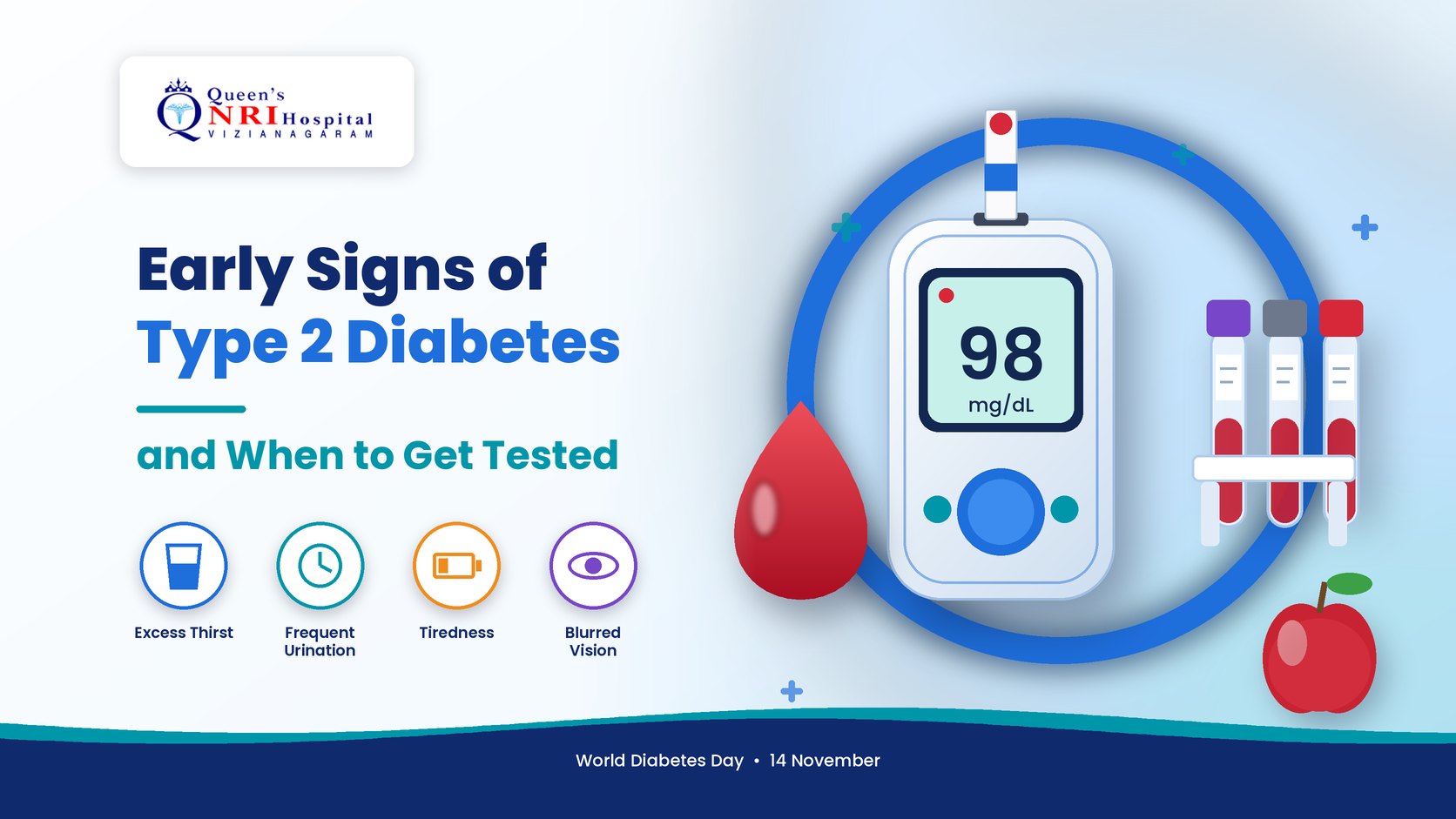
World Diabetes Day, observed every year on 14 November, is a good reminder to pause and ask a simple question: when did I last check my blood sugar? This guide explains, in plain language, the early signs of type 2 diabetes, when to get tested (even without symptoms), which tests are commonly used, and what usually happens after a result comes back.
Medical disclaimer: This article is for general health awareness only. It is not a diagnosis or a treatment plan, and it does not replace advice from a qualified doctor. Symptoms differ from person to person, and only a clinician can interpret your test results in the context of your health history.
Type 2 Diabetes Symptoms and Testing: A Practical Guide
What Is Type 2 Diabetes?
When we eat, the body breaks down carbohydrates into glucose (sugar), which travels in the blood to give our cells energy. A hormone called insulin, made by the pancreas, helps glucose move from the blood into the cells.
In type 2 diabetes, the body either does not respond to insulin as well as it should (called insulin resistance), does not make enough insulin, or both. Over time, glucose builds up in the blood instead of being used properly. According to the World Health Organization (WHO), more than 95% of people with diabetes have type 2 diabetes, and factors that contribute to it include being overweight, not getting enough exercise, and genetics.
Unlike type 1 diabetes, in which the body makes little or no insulin, type 2 diabetes usually develops gradually, which is why its early signs are easy to miss.
What is prediabetes? Prediabetes means blood sugar levels are higher than normal but not yet in the diabetes range. It usually causes no symptoms at all. It matters because, for many people, it is a stage where lifestyle changes, guided by a doctor, may help bring sugar levels back towards the normal range or slow progression. Finding it is one of the main reasons doctors encourage timely testing.
Early Signs of Type 2 Diabetes
Some people notice changes; many notice nothing. The signs below are commonly described by WHO and the International Diabetes Federation (IDF). Having one of them does not mean you have diabetes, because each can have other causes. But if several appear together, or they do not settle, it is reasonable to ask a doctor about a blood sugar test.
Common early signs:
- Feeling thirsty more often than usual, even after drinking water.
- Passing urine more frequently, especially waking up at night to urinate.
- Tiredness or low energy that does not match your activity or sleep.
- Increased hunger, sometimes soon after a meal.
- Blurred vision that comes and goes.
- Unexplained weight loss, even without dieting.
Signs that are easy to overlook:
- Cuts, wounds or scratches that take longer than usual to heal.
- Repeated skin, gum, urinary or genital infections (for example, recurring fungal infections).
- Tingling, numbness or a burning feeling in the feet or hands.
Many people with early type 2 diabetes have no obvious symptoms, so feeling well is not proof that blood sugar is normal. A blood test is the only reliable way to know.
Who Should Consider Getting Tested?
You do not need to wait for symptoms to check your blood sugar. The ICMR Guidelines for Management of Type 2 Diabetes recommend screening for adults above 30 years of age, and India’s national NCD programme also screens adults aged 30 and above for common conditions such as diabetes and high blood pressure. Your doctor may suggest testing earlier, or more often, if you have one or more of these risk factors:
- A parent, brother or sister with type 2 diabetes.
- Overweight, or extra weight around the waist. The ICMR guidelines treat a waist size of more than 90 cm in men and more than 80 cm in women as a risk factor.
- Little regular physical activity, or long hours of sitting.
- High blood pressure, or abnormal cholesterol or triglyceride levels.
- Diabetes during a previous pregnancy (gestational diabetes), or a history of polycystic ovary syndrome (PCOS).
- Heart disease or a previous stroke.
- A previous test showing prediabetes or “borderline” sugar.
The ICMR guidelines also note that Asian Indians tend to have more body fat and insulin resistance at a given body weight than some other populations. So a “normal-looking” weight does not rule out the need for a check if other risk factors are present.
Common Tests Used to Check Blood Sugar
Blood sugar tests are simple and are usually done on a blood sample sent to a laboratory. Your doctor will choose the test that suits you and will tell you whether you need to fast beforehand. The most commonly used tests are:
- Fasting plasma glucose (FPG): often called a fasting blood sugar test, it measures blood sugar after at least 8 hours without food (water is usually allowed).
- HbA1c (glycated haemoglobin): reflects your average blood sugar over roughly the past two to three months and does not usually need fasting. Some conditions, such as anaemia or certain haemoglobin variants, can affect the result, so your doctor may combine it with another test.
- Oral glucose tolerance test (OGTT): blood sugar is measured before and two hours after drinking a measured glucose drink. It is also the test commonly used to check for diabetes during pregnancy.
- Random plasma glucose: a blood sugar check taken at any time of day, regardless of meals. It is often used when someone already has symptoms.
The table below shows cut-off values widely used in international guidance, such as the criteria published by the American Diabetes Association (ADA). It is for general understanding only. Laboratory reference ranges can differ slightly, and a diagnosis is usually confirmed with a repeat test unless symptoms are clear.
| Test | Usually considered normal | Prediabetes range | Diabetes range |
|---|---|---|---|
| Fasting plasma glucose | Below 100 mg/dL | 100–125 mg/dL* | 126 mg/dL or higher |
| HbA1c | Below 5.7% | 5.7–6.4% | 6.5% or higher |
| OGTT (2 hours after glucose drink) | Below 140 mg/dL | 140–199 mg/dL | 200 mg/dL or higher |
| Random plasma glucose (with symptoms) | – | – | 200 mg/dL or higher |
*WHO uses 110–125 mg/dL for “impaired fasting glucose”, while the ADA uses 100–125 mg/dL. Your doctor will explain which range applies to your report.
When to See a Doctor
Consider booking a check-up with a general medicine doctor or an endocrinologist if:
- You notice two or more of the early signs listed above, or one sign that does not go away.
- You are 30 or older and have never had a blood sugar test, or it has been a long time since your last one.
- You have one or more risk factors, even if you feel completely well.
- A previous report showed prediabetes or “borderline” sugar and you have not had a follow-up.
- You are planning a pregnancy and have risk factors such as previous gestational diabetes or PCOS.
When to seek urgent medical care: very high blood sugar can occasionally become a medical emergency. Go to the nearest emergency department straight away if someone has extreme thirst with vomiting, abdominal pain, deep or fast breathing, a fruity smell on the breath, unusual drowsiness or confusion, or signs of severe dehydration. Do not wait for a routine appointment in these situations.
What Happens After Your Test?
Your doctor will interpret any result together with your symptoms, history and other reports.
- If results are normal: your doctor may suggest repeating the test at regular intervals, depending on your age and risk factors.
- If results show prediabetes: the focus is usually on lifestyle changes, such as food habits, physical activity, weight and sleep, with periodic re-testing. Some people may be advised on medication; this is an individual medical decision.
- If results suggest diabetes: a confirmatory test may be advised. Your doctor may then discuss a personalised plan, which can include diet and activity changes, medicines where needed, and regular checks of blood pressure, cholesterol, kidneys, eyes and feet.
Type 2 diabetes is a long-term condition, but many people manage it well with regular follow-up and steady daily habits. Never start, stop or change any medicine based on an online article; always speak to your doctor first.
Everyday Habits That May Lower Your Risk
No single habit works for everyone, but together these practical steps may support healthier blood sugar levels:
- Move more: WHO recommends that adults aim for at least 150 minutes of moderate physical activity a week, such as brisk walking, unless your doctor advises otherwise.
- Build a balanced plate: include vegetables, pulses, whole grains and adequate protein; keep portions of white rice, refined flour and fried snacks moderate.
- Cut down on sugary drinks and sweets: sweetened tea and coffee, soft drinks and packaged juices add up quickly.
- Watch your waistline: if you are overweight, even modest weight loss may improve blood sugar levels.
- Avoid tobacco and limit alcohol.
- Sleep well and manage stress: poor sleep and ongoing stress can affect appetite and blood sugar.
- Keep up with check-ups: regular screening helps spot changes early, when there are more options to act.
If you would like guidance on food choices, a qualified dietitian can help you build a plan that suits your preferences and health needs. Our Nutrition department has dieticians who give dietary advice to outpatients as well as inpatients.
Frequently Asked Questions
What are usually the first signs of type 2 diabetes?
Commonly reported early signs include increased thirst, frequent urination, tiredness, blurred vision and slow-healing wounds. However, many people have no symptoms in the early stages, so a blood test is the most reliable way to check.
At what age should I get my blood sugar tested?
The ICMR guidelines recommend screening for adults above 30 years of age. If you have risk factors such as a family history, extra weight or a history of gestational diabetes, your doctor may advise testing earlier and more often.
Do I need to fast before a diabetes test?
It depends on the test. A fasting plasma glucose test usually needs at least 8 hours without food, while an HbA1c test usually does not. Follow the instructions given by your doctor or laboratory.
Can prediabetes go back to normal?
For many people, lifestyle changes such as regular physical activity, healthier eating and weight management may help bring blood sugar levels closer to normal or slow progression. Results vary, so regular follow-up with your doctor is important.
Is a home glucometer reading enough to diagnose diabetes?
No. Home glucometers are mainly used for monitoring by people who already have diabetes. A diagnosis is usually based on laboratory tests, and is often confirmed with a repeat test.
Which doctor should I see for a blood sugar check?
A general medicine doctor (physician) can usually arrange initial tests and advice. You may be referred to an endocrinologist, who specialises in hormone and metabolic conditions including diabetes, if specialised care is needed.
Conclusion
Type 2 diabetes often begins quietly. Noticing early signs such as unusual thirst, frequent urination, tiredness or slow-healing cuts is helpful, but the most dependable step is a simple blood test, especially if you are 30 or older or have risk factors. This World Diabetes Day, consider making a blood sugar check part of your routine health care, calmly and without fear.
At Queen’s NRI Hospital, blood sugar concerns are seen in our General Medicine and Endocrinology departments. Blood tests are handled by our Laboratory Medicine department, and our health packages include a diabetic package.
Book an Appointment: To consult our doctors about blood sugar testing, you can book an appointment online, call 08922-225177, or contact our hospital for help choosing the right department.
Contact: Queen’s NRI Hospital, D.No 5-1-11, Srinivasa Nagar, M.G. Road, Opp. SBI Main Branch, Vizianagaram-535001 | Phone: 08922-225177 / 88 | WhatsApp: 76619 76613 | Website: www.queensnrihospital.com
Disclaimer: This article is for general awareness and does not replace professional medical advice, diagnosis or treatment. Please consult a qualified doctor for advice about your health. See our medical disclaimer.